
On January 28th, 2026, the Confirmation of Election Service marked the moment when Dame Sarah Mullally legally became the 106th Archbishop of Canterbury, and the first woman ever to occupy that office. Congratulations and good wishes poured in, but the appointment was not without controversy. Not surprisingly, nearly all of it was because she is a woman. There were many who tried to counter the attacks on the new Archbishop, pointing to how Jesus included women in ministry, and quoting the apostle Paul saying “… there is no longer male and female, for all of you are one in Christ Jesus.” Gal 3:28.
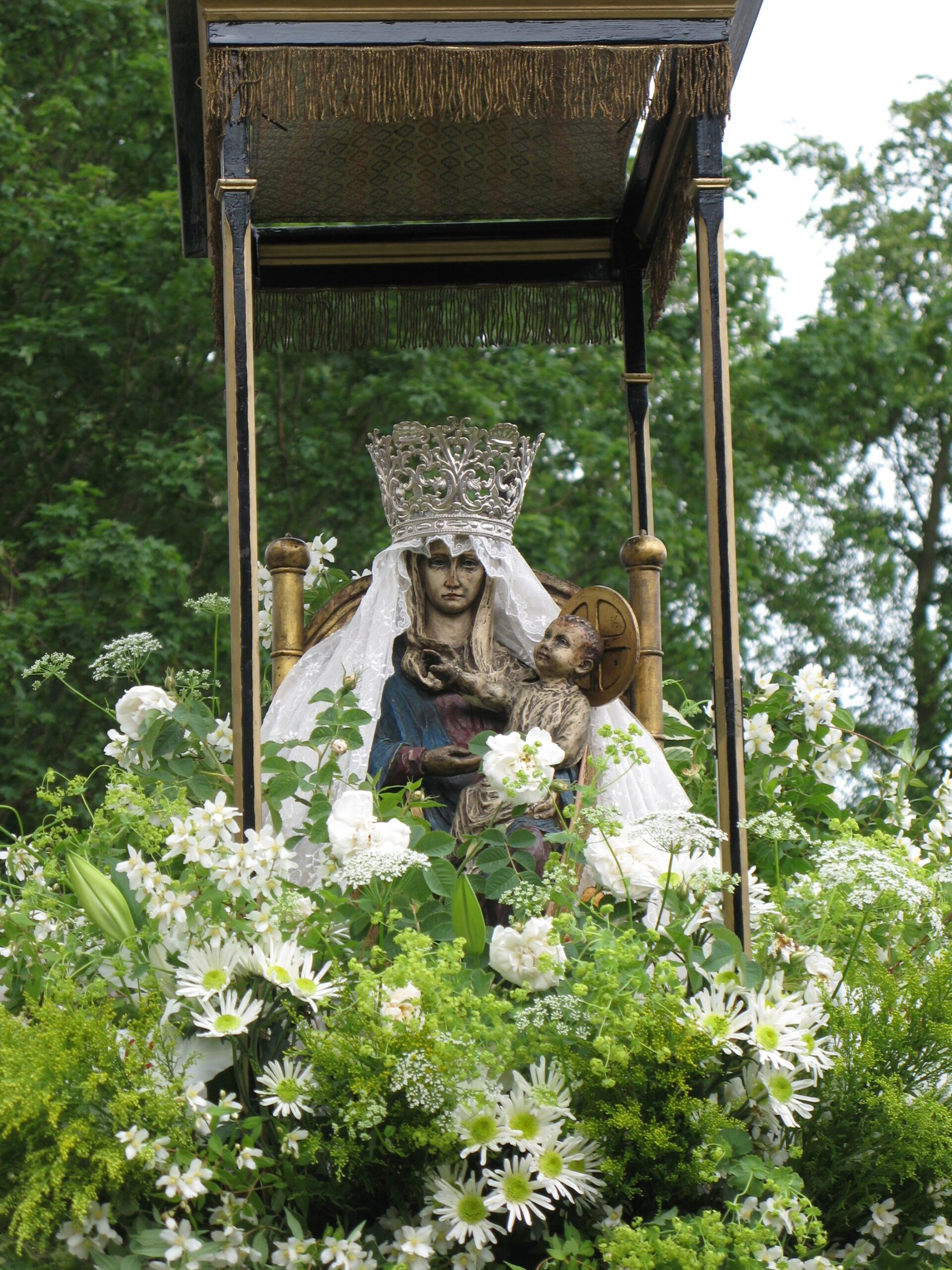
But the truth is that the Church has never been able to handle strong women. Throughout the centuries, it has done what it can to deny them full participation in its life and ministry. At times, its response has been outright hostility, at times indifference, and at times subjugation. In some instances, the response has been more nuanced. In the case of Mary Magdalene, for example, she was discredited for centuries, in order to downplay her revolutionary role in the early Church. As for Mary the Virgin, she was domesticated in such a way as to hide the strong disciple that she was. The result is that, often, her prophetic message is lost to the eyes-downcast, submissive image we see in religious paintings, icons and stained glass windows.
Like Jesus, the meek and mild persona of Mary lives along with a passionate advocate for justice in a world where injustice is endemic in our systems and our mind set. They were both gentle and loving with those who were vulnerable, but unflinching when it came to naming the places in our world where those with power and influence lord it over others.
March 25th on our Church calendar is “The Annunciation of the Lord to the Blessed Virgin Mary.” Whether it’s because I serve in a Church dedicated to Mary the Virgin or whether the subordination of her valiant nature goes against the grain, I find myself more and more drawn to her story and to rediscovering who she was. When Mary said to the angel, “Here am I, the servant of the Lord; let it be with me according to your word,” it was a courageous statement of faith and trust. This same Mary would articulate a profound vision for a just world in the Magnificat, the Song of Mary. Reminiscent of her ancestor, Hannah’s song, it is one of the most radical visions of a world turned upside down that we have in scripture, or anywhere for that matter. It’s no wonder that those in power would do what they could to tame her and her view of the world as God would have it.
Patriarchy still has a strong grip on the Church and society but maybe, that will be lessened ever so slightly in the ministry and witness of Sarah, Archbishop of Canterbury, and maybe instead, the Church can concentrate on living Mary’s vision.