
Conveniently, the twelve months which make up each year are evenly divided into four seasons—winter, spring, summer and autumn. Interestingly and uniquely, each period has its own diversified weather pattern, marked by the earth’s changing position with regards to the sun’s passage from equinox to solstice—though not always conducive.
Here in our province, prevailing activities are sometimes controlled by the diversity of weather. At St. John the Evangelist, activities and events, both spiritual and secular, are guided primarily by the church calendar.
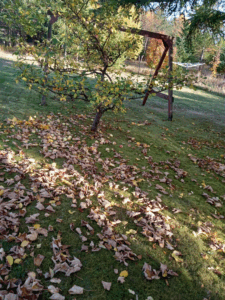
Presently, we are into the season of autumn—the most magnificent time of the year before winter makes its debut. We are cognizant of this change when the leaves turn their hue from green to golden yellow and start falling off—hence the expression “fall”. The colourful and magical blanket covering lawns near and far all over the landscape is representative of this phenomenon, proving that October is indeed the fall season at its height.
As soon as everyone emerged and settled in after the summer break, our Church family adapted to activities relevant to this period.
On Tuesday, September 9, the ACW returned to their biweekly fellowship, food, and fundraising as part of outreach to the needy.
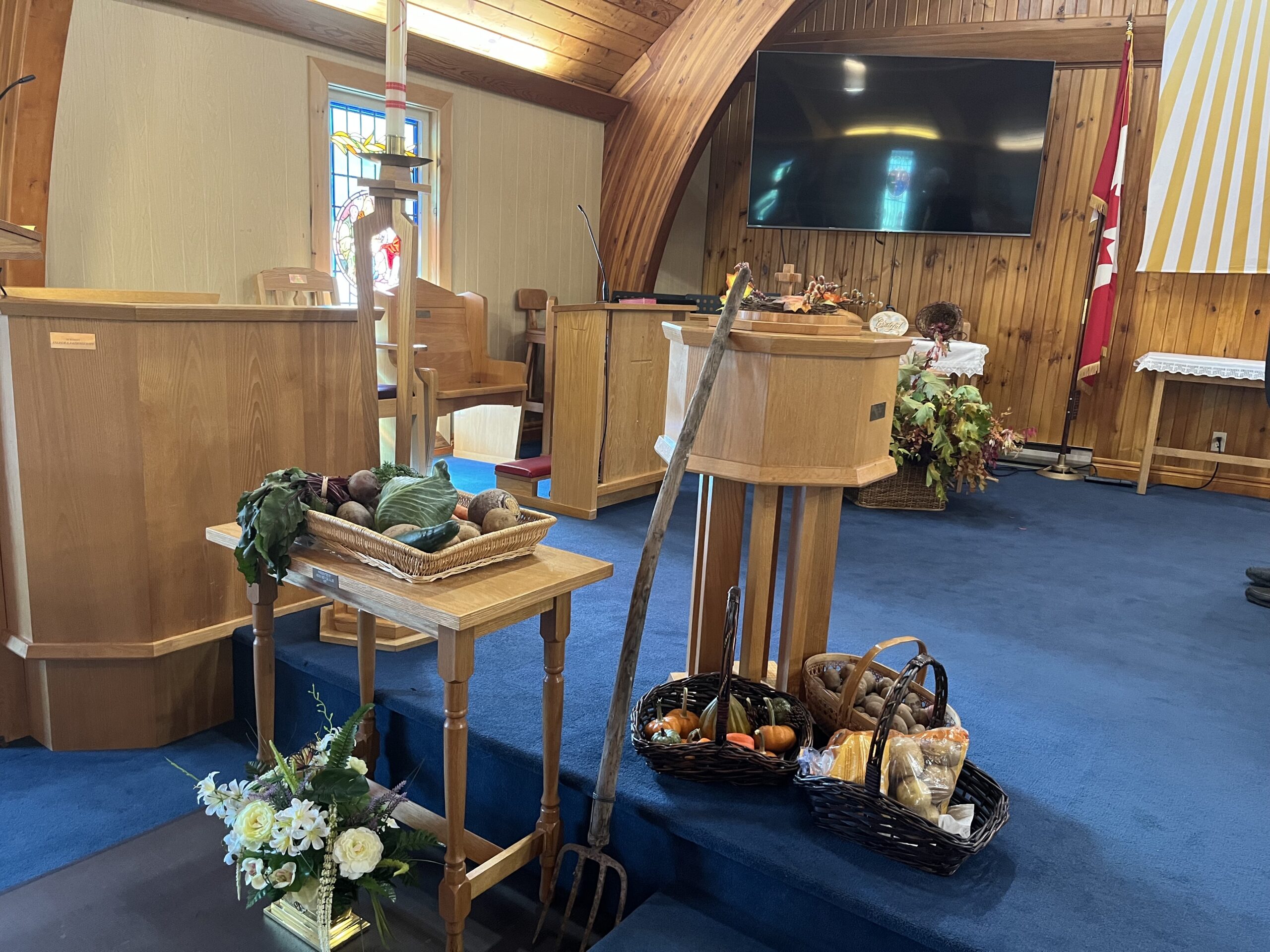
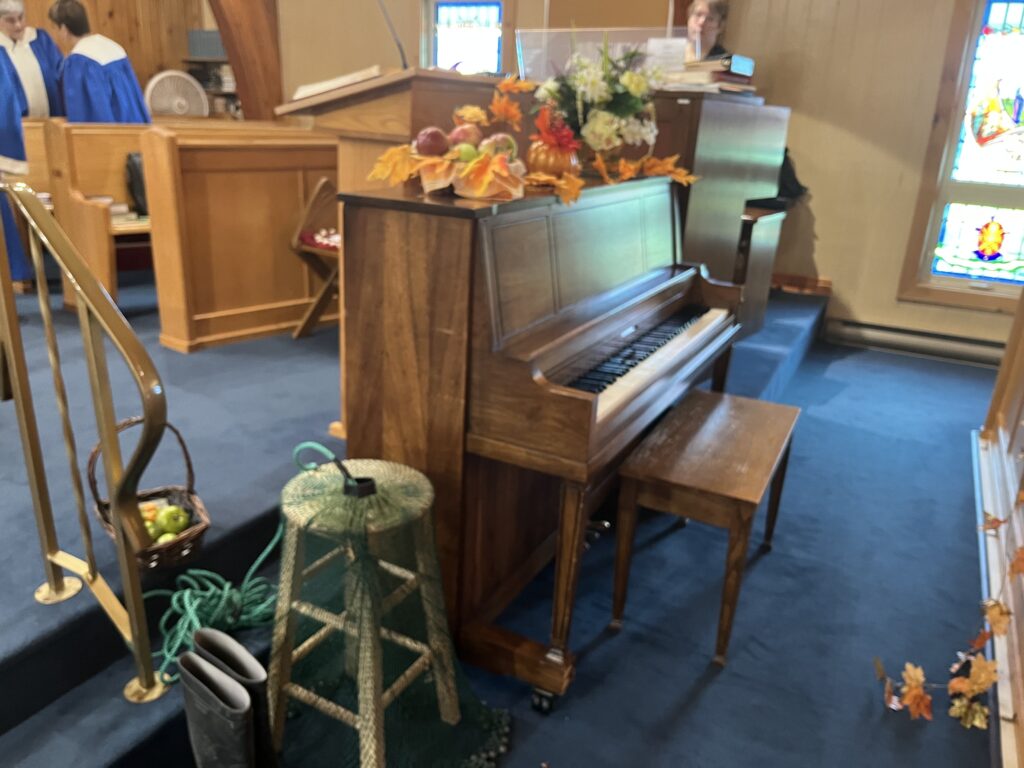
On Sunday, October 12th, the creative Altar Guild and Choir teams adorned the altar for thanksgiving with displays of fresh local fruit and vegetables and multiple decorations in thanksgiving of our abundance.
October is also popular for the recognition of All Hallows’—Hallowe’en. However religious connotations are often overlooked when it comes to Hallowe’en celebrations. The event is mostly perceived in a rather secular way by children’s display of pumpkins, ghosts, monster dress ups, and sweet treats.
However, it is not only about ghosts and goblins, but originated as a pagan religious celebration to welcome the harvest at the end of summer—similar to the harvest thanksgiving in our culture today.
Do you say there are still four months and come the harvest? Behold I say to you, lift up your eyes and look at the fields, for they are already white for the harvest.
-John 4: 35